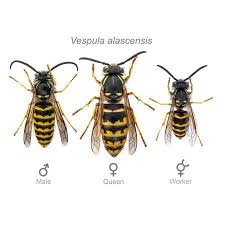
Plan every treatment with confidence.
Browse fifty of the most common household pests, compare DIY tactics with licensed services, and keep your spaces healthier year-round.
Ants
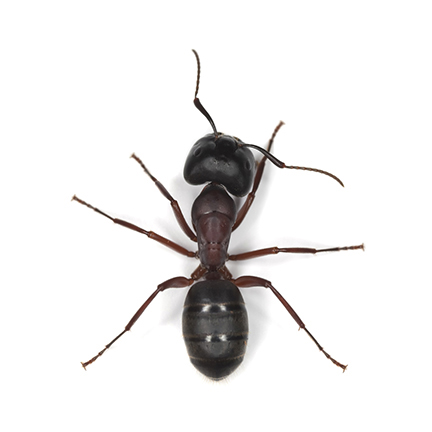
Ants are social insects that build colonies indoors and out while searching relentlessly for food and water.
Aphids
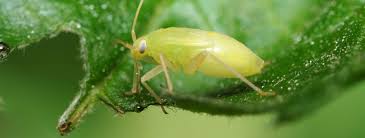
Aphids are sap-sucking insects that cluster on new plant growth and secrete sticky honeydew.
Bed Bugs
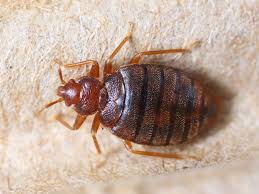
Bed bugs are nocturnal insects that feed on blood and hide within seams, tufts, and tight crevices.
Beetles
Beetles encompass numerous species that chew fabrics, stored foods, and structural materials.
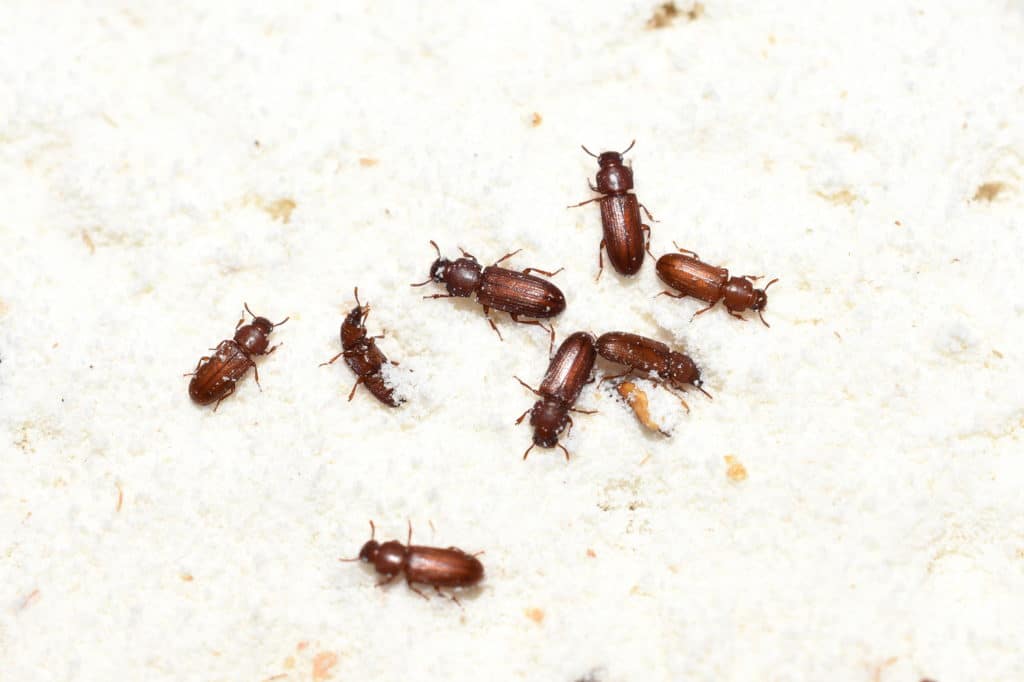
Bird Mites
Bird mites migrate from abandoned nests into living spaces and bite humans when birds depart.
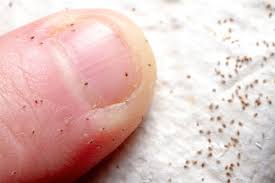
Boxelder Bugs
Boxelder bugs congregate on sunny walls in autumn before squeezing indoors to overwinter.
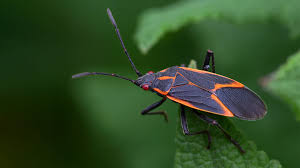
Carpenter Ants
Carpenter ants excavate moist wood to form galleries, weakening structural elements.
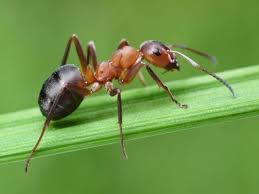
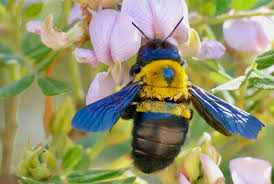
Carpenter Bees
Carpenter bees bore round holes into untreated wood to create brood galleries.
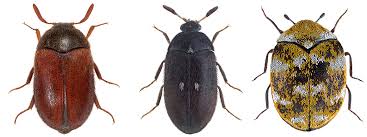
Carpet Beetles
Carpet beetle larvae feed on natural fibres, damaging rugs, clothing, and upholstery.
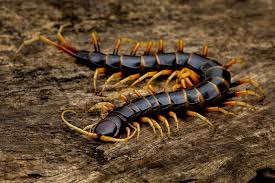
Centipedes
House centipedes are fast-moving predators that thrive in damp, cluttered environments.
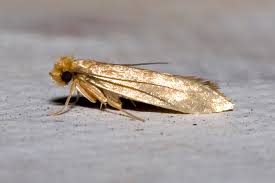
Clothes Moths
Clothes moth larvae chew wool, cashmere, and other natural fibres stored in dark closets.
Cluster Flies
Cluster flies overwinter in attics and wall voids, emerging sluggishly on warm winter days.
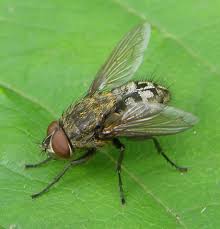
Cockroaches
Cockroaches are resilient insects that spread bacteria and thrive in warm, humid conditions.
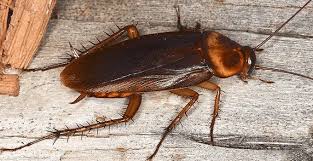
Crickets
House crickets chirp loudly and chew fabrics, especially in damp basements and garages.
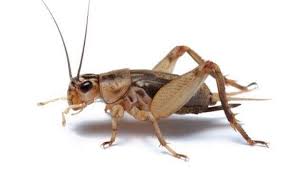
Drain Flies
Drain flies breed in organic slime inside plumbing lines and appear as fuzzy moth-like insects.
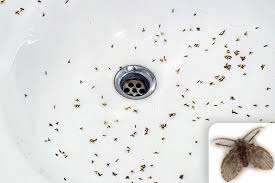
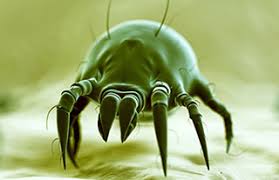
Dust Mites
Dust mites are microscopic arthropods that thrive in bedding and upholstery, triggering allergies.
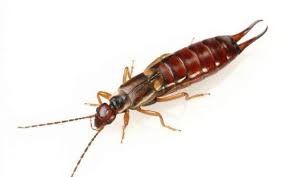
Earwigs
Earwigs are nocturnal insects with pincers that hide in mulch and sometimes wander indoors.
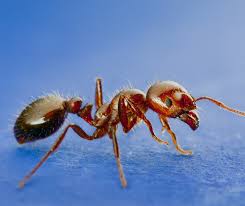
Fire Ants
Fire ants build large mounds and deliver painful stings when disturbed in yards and fields.
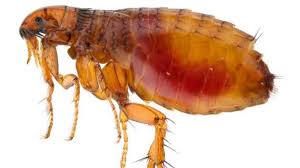
Fleas
Fleas are blood-feeding parasites that infest pets, carpeting, and upholstered furniture.
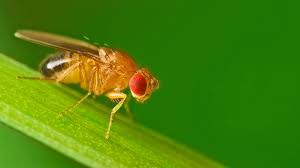
Fruit Flies
Fruit flies reproduce rapidly on fermenting produce and moist organic residues.(Drosophila melanogaster) Also known as vinegar flies, these tiny insects are attracted to ripe fruit, sugary liquids, and fermenting materials.
Gnats
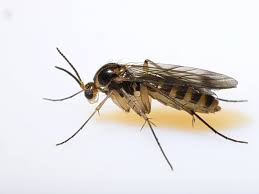
Fungus gnats thrive in overly moist potting soil and swarm near indoor plants.
Hornets
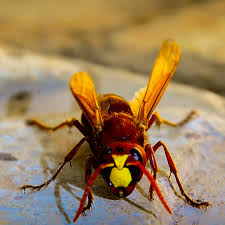
Hornets build aerial nests and aggressively defend colonies when threatened.
House Flies
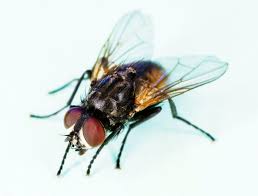
House flies breed in decaying organic matter and spread pathogens onto food surfaces.
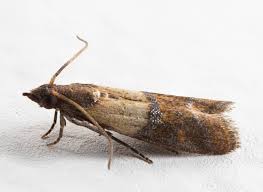
Indian Meal Moths
Indian meal moths infest stored grains, nuts, and dried fruits, leaving webbing in packages.
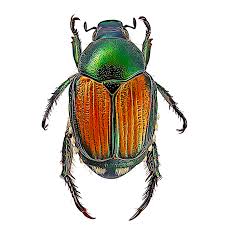
Japanese Beetles
Japanese beetles skeletonize foliage and their grubs feed on turfgrass roots.
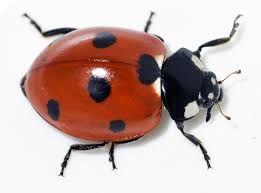
Ladybugs
Ladybugs are beneficial outdoors but can swarm inside homes to overwinter.(Coccinellidae) Also known as ladybird beetles, these brightly colored insects are generally beneficial because they eat aphids and other pests.
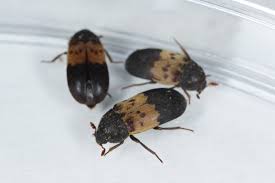
Larder Beetles
Larder beetles feed on cured meats, pet food, and dead insects in hidden areas.
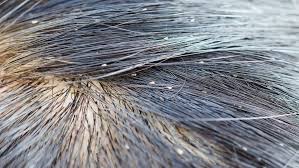
Lice
Head lice spread through direct contact and cling to hair shafts near the scalp.
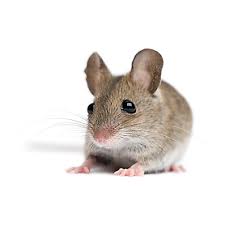
Mice
Mice squeeze through tiny openings, contaminating surfaces and chewing wiring.
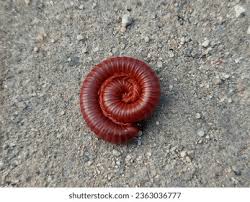
Millipedes
Millipedes coil defensively and invade homes during heavy rain or drought seeking moisture.
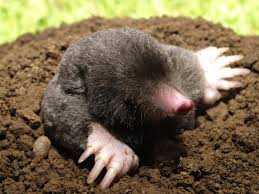
Moles
Moles tunnel through lawns creating ridges and mounds as they hunt soil insects.
Mosquitoes
Mosquitoes breed in standing water and can transmit diseases through their bites.
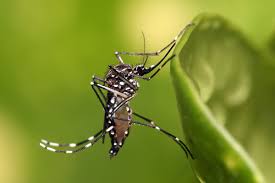
Pantry Moths
Pantry moths contaminate flour, cereals, and baking mixes stored in warm cupboards.
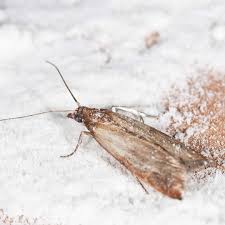
Pharaoh Ants
Pharaoh ants form sprawling colonies indoors and can spread pathogens in healthcare settings.
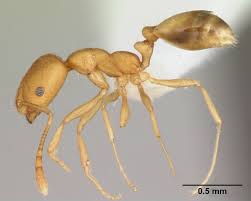
Pill Bugs
Pill bugs, or roly-polies, are moisture-loving crustaceans that roll into a ball when disturbed.(Armadillidiidae) Also known as roly-polies or woodlice, these crustaceans curl into tight balls when disturbed.
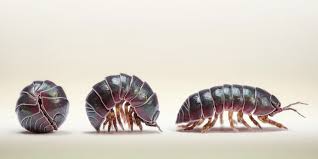
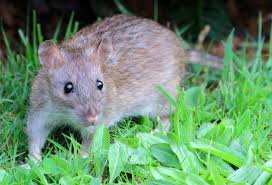
Rats
Rats chew wiring, contaminate food, and spread disease through droppings and urine.
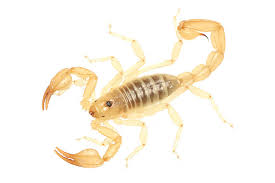
Scorpions
Scorpions hide beneath debris and enter homes through gaps while seeking cool shelter.
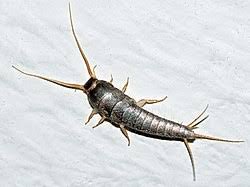
Silverfish
Silverfish thrive in humid spaces and feed on paper, glues, and starches.
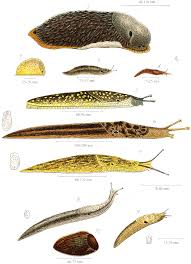
Slugs
Slugs feed on tender foliage and leave slimy trails across patios and garden beds.
Snails
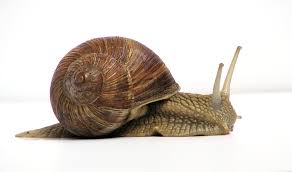
Garden snails chew holes in leaves and can devastate ornamental plantings.
Spiders
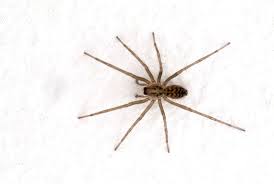
Spiders prey on insects but certain species can bite and cause concern indoors.
Springtails
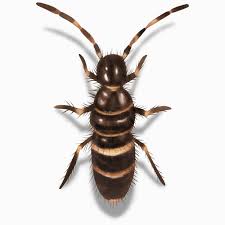
Springtails are tiny jumping insects that appear in moist bathrooms, basements, and planters.
Stink Bugs
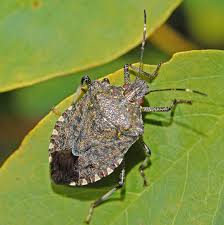
Brown marmorated stink bugs invade homes in autumn and release a strong odour when crushed.
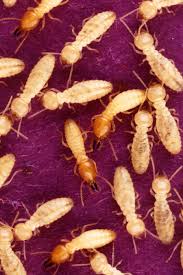
Termites
Termites consume cellulose materials and can cause extensive structural damage unseen.
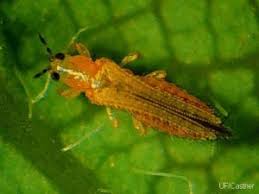
Thrips
Thrips scrape plant surfaces causing silvery streaks and can transmit plant viruses.
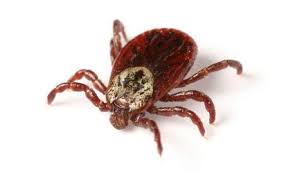
Ticks
Ticks wait on tall grasses to latch onto people and pets, potentially transmitting disease.
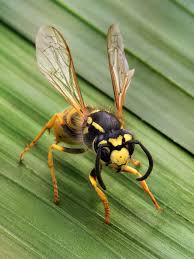
Wasps
Paper wasps build umbrella-shaped nests under eaves and can sting repeatedly.
Weevils
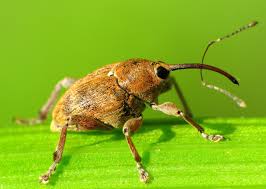
Weevils attack stored grains and pantry items, leaving holes in kernels and flour dust.
Whiteflies
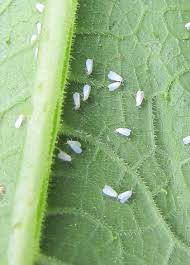
Whiteflies congregate on leaf undersides, sucking plant juices and excreting honeydew.
Yellow Jackets
Yellow jackets build nests in the ground or structures and become aggressive around food.