Clothes Moths
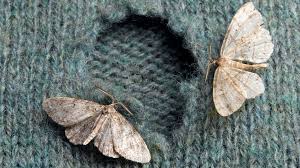
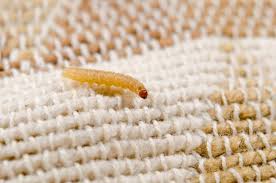
Clothes moth larvae chew wool, cashmere, and other natural fibres stored in dark closets.
Background & Behavior
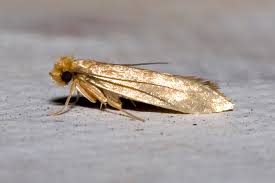
(Tineola bisselliella) Commonly called webbing moths, these small tan insects feed on natural fibers like wool, silk, and fur. Their larvae create silken tunnels in fabrics, leaving behind irregular holes. Infestations often begin in stored clothing or upholstery. Regular cleaning and storage precautions are key to prevention.
DIY Approaches
- Rotate closet contents seasonally and brush garments outdoors to remove eggs.
- Launder or dry-clean susceptible clothing before storing long term.
- Use airtight garment bags or bins with tight-fitting lids.
- Place pheromone traps inside closets to capture adult males.
- Vacuum closet corners, shelves, and baseboards weekly.
Professional Services
- Hire textile preservation specialists for freeze treatments on heirloom fabrics.
- Schedule fumigation for wardrobes experiencing widespread moth damage.
- Request integrated pest management for museums and costume departments.
- Arrange for closet interior sealing to eliminate hidden entry cracks.
- Consult wardrobe organisers for humidity and storage improvements.
Photo Gallery